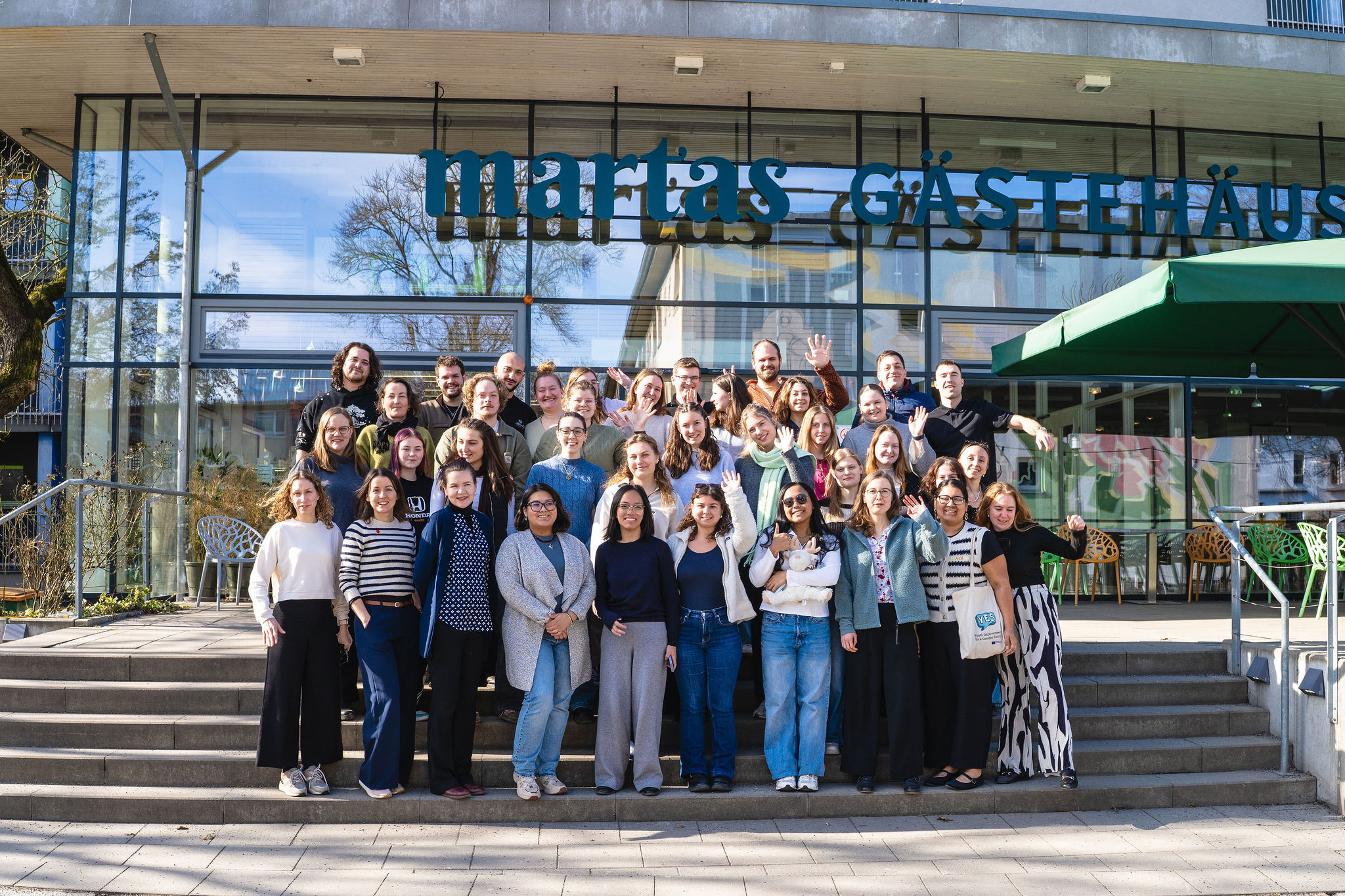
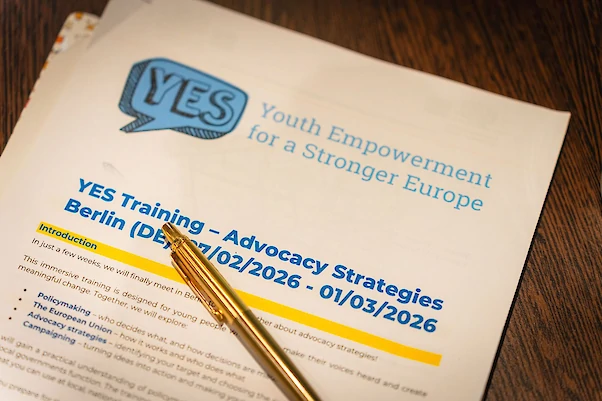
From February 27 to March 1, a three-day training on Advocacy strategies took place in Berlin, Germany, bringing together over 40 young people and youth professionals from across the EU. The event was organized by the YES Forum and involved participants from Caritas Czech Republic, Caritas Europe, Caritas Slovenia and Caritas Finland.
The training was part of the wider YES project, which aims to empower young people to lead their own advocacy campaigns and create tangible impact in their communities.
Learn more about the YES project
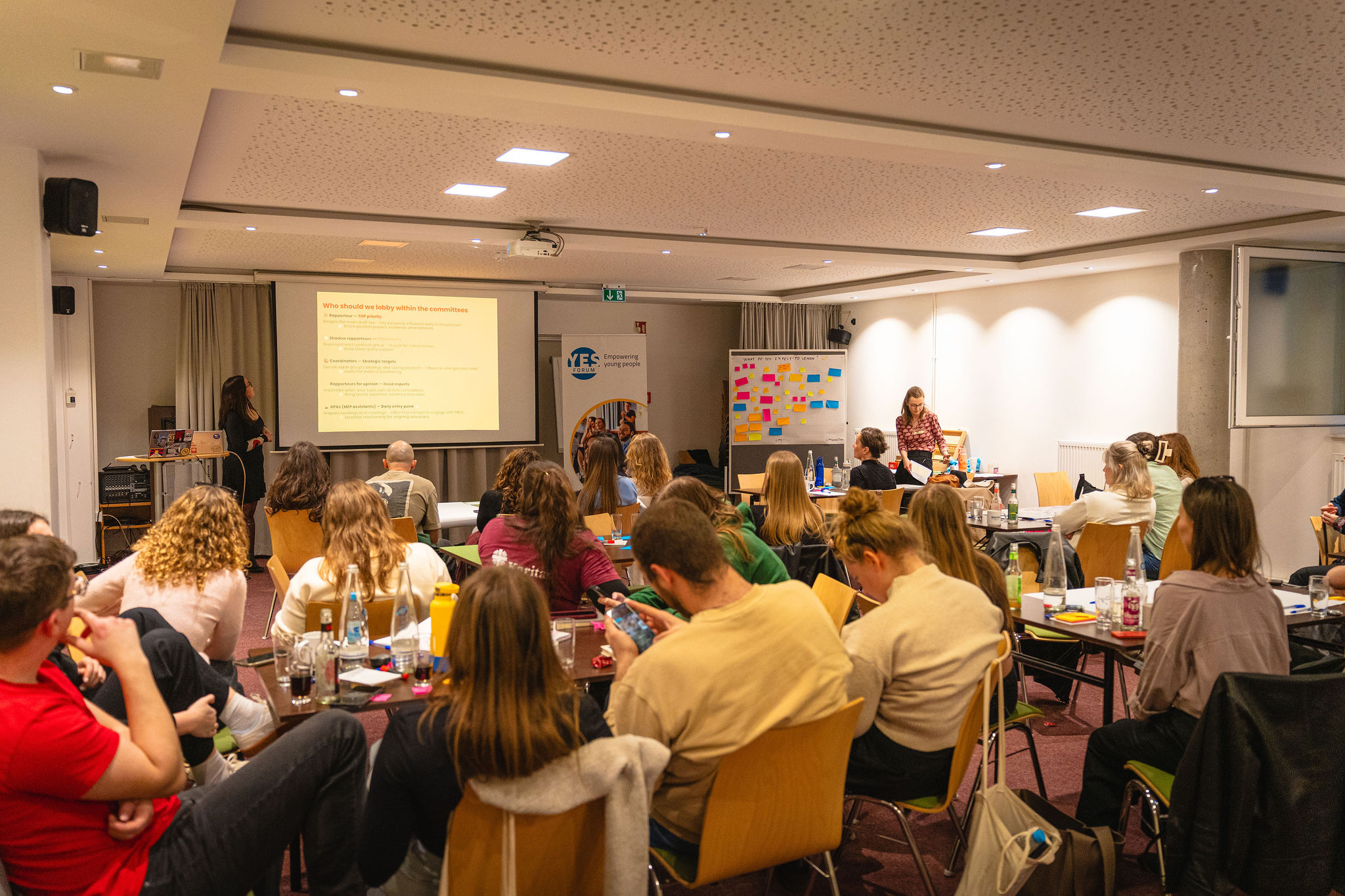
The immersive programme of the advocacy training equipped participants with practical tools, skills and knowledge on advocacy strategies at different levels of policymaking. In particular, the training explored:
- Policymaking: who decides what at the local, national or EU level, and how decisions are made
- The European Union: how the EU decision-making institutions work and how young people can engage in the EU policy-making process
- Advocacy strategies: identifying the target audience, refining your advocacy message and choosing appropriate approaches
- Campaigning: turning ideas into action and setting up a youth campaign to address key challenges
The training strengthened participants’ understanding of local, national and EU policymaking processes, and youth participation mechanisms. It also equipped the Young Advocates with concrete advocacy and campaigning skills to be applied at different governance levels.
DAY 1 - Understanding Advocacy in practice
The first day introduced participants to the concept of advocacy and its impact on everyday lives. The morning focused on warm-up activities and setting the framework for the training within the broader YES project.
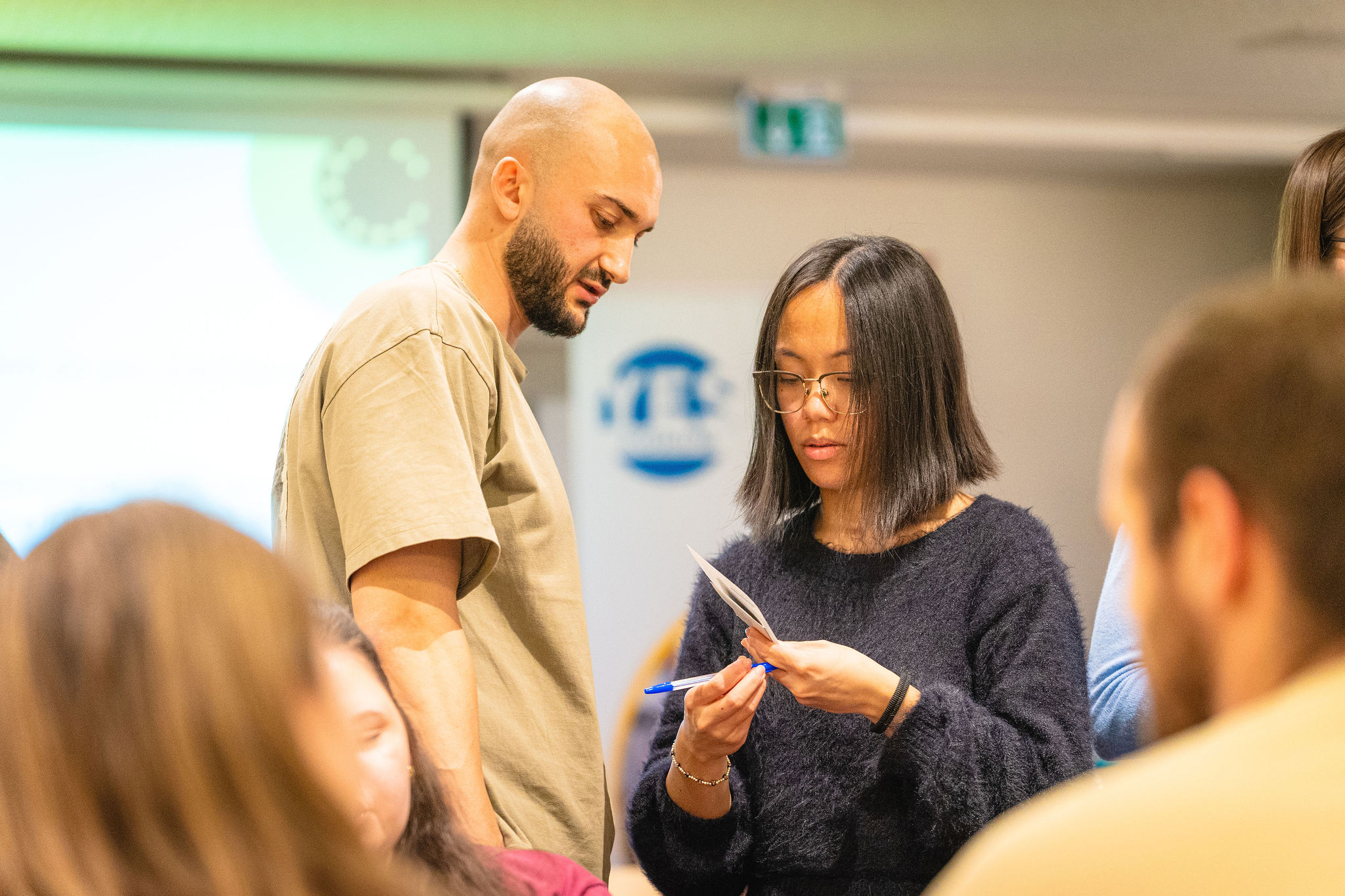
Participants then took part in two field visits to Berlin-based youth organisations actively engaging in policymaking processes. The group was divided into two visits:
- One group visited Jugend-Check, a research institute that applies a “Youth Check” to all federal legislation in Germany to ensure that new regulations align with the needs and interests of young people.
- The other group explored the work of Bund Deutscher Katholischer Jugend, a self-organised youth organisation within the Catholic Church advocating for children’s and young people’s rights.
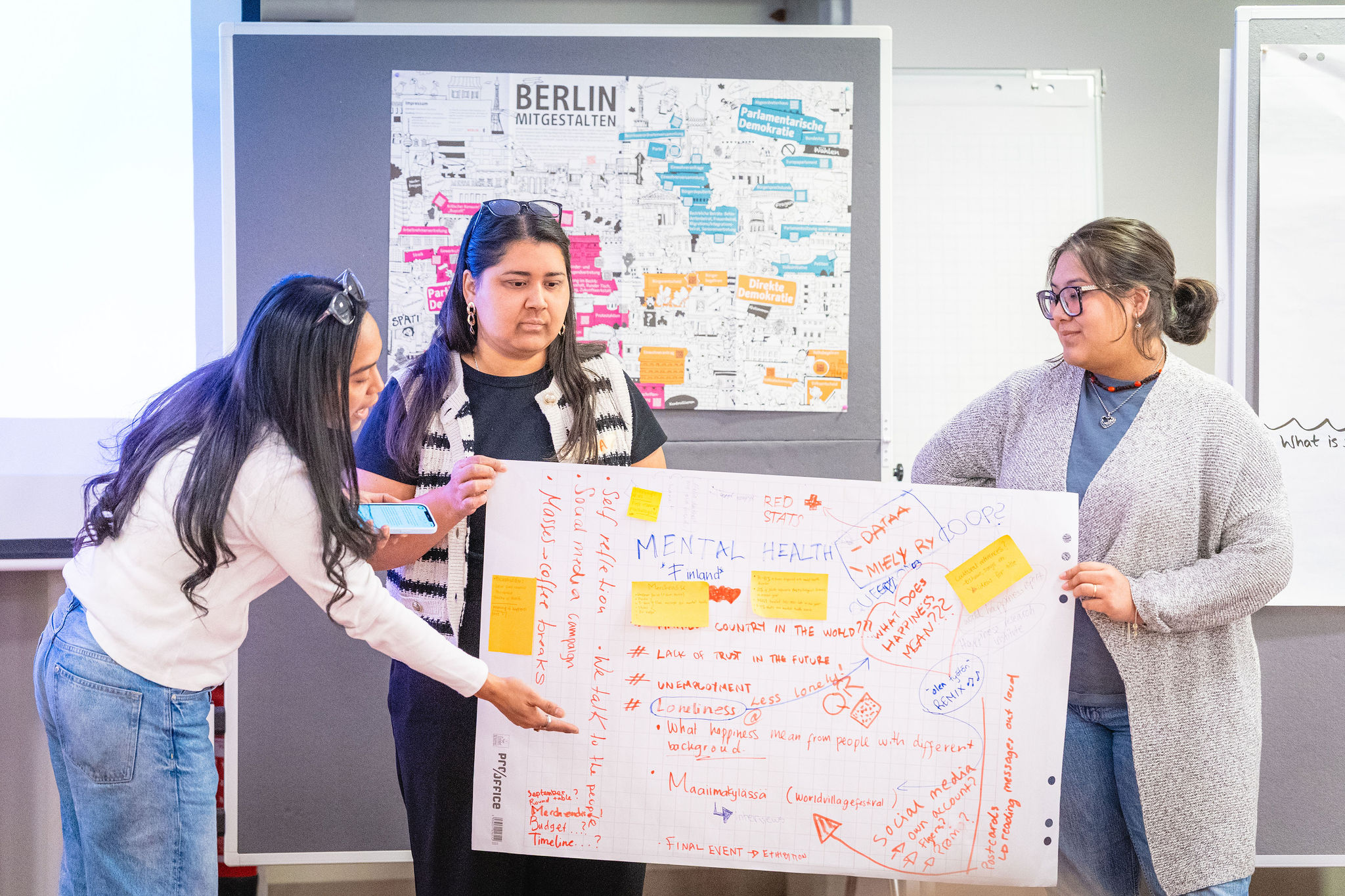
In the afternoon, participants identified and analysed the social issues they will address through their local, national or European campaigning groups. Mental health and housing emerged as key priorities for European youth. With the support of an experienced trainer, participants were introduced to EU-level advocacy strategies and learned how to connect their campaigns to EU policymaking processes.
DAY 2: From strategy to campaign design
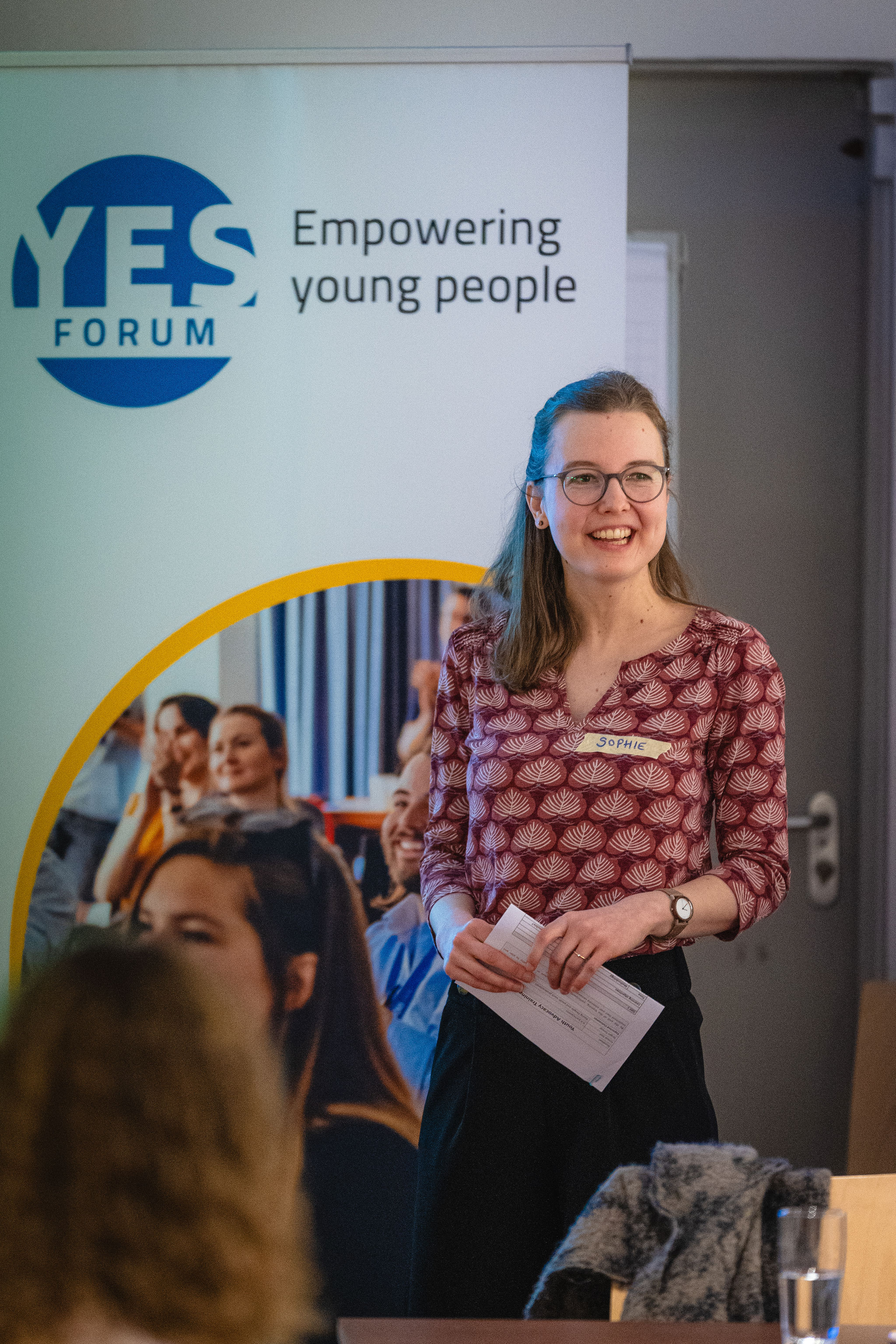
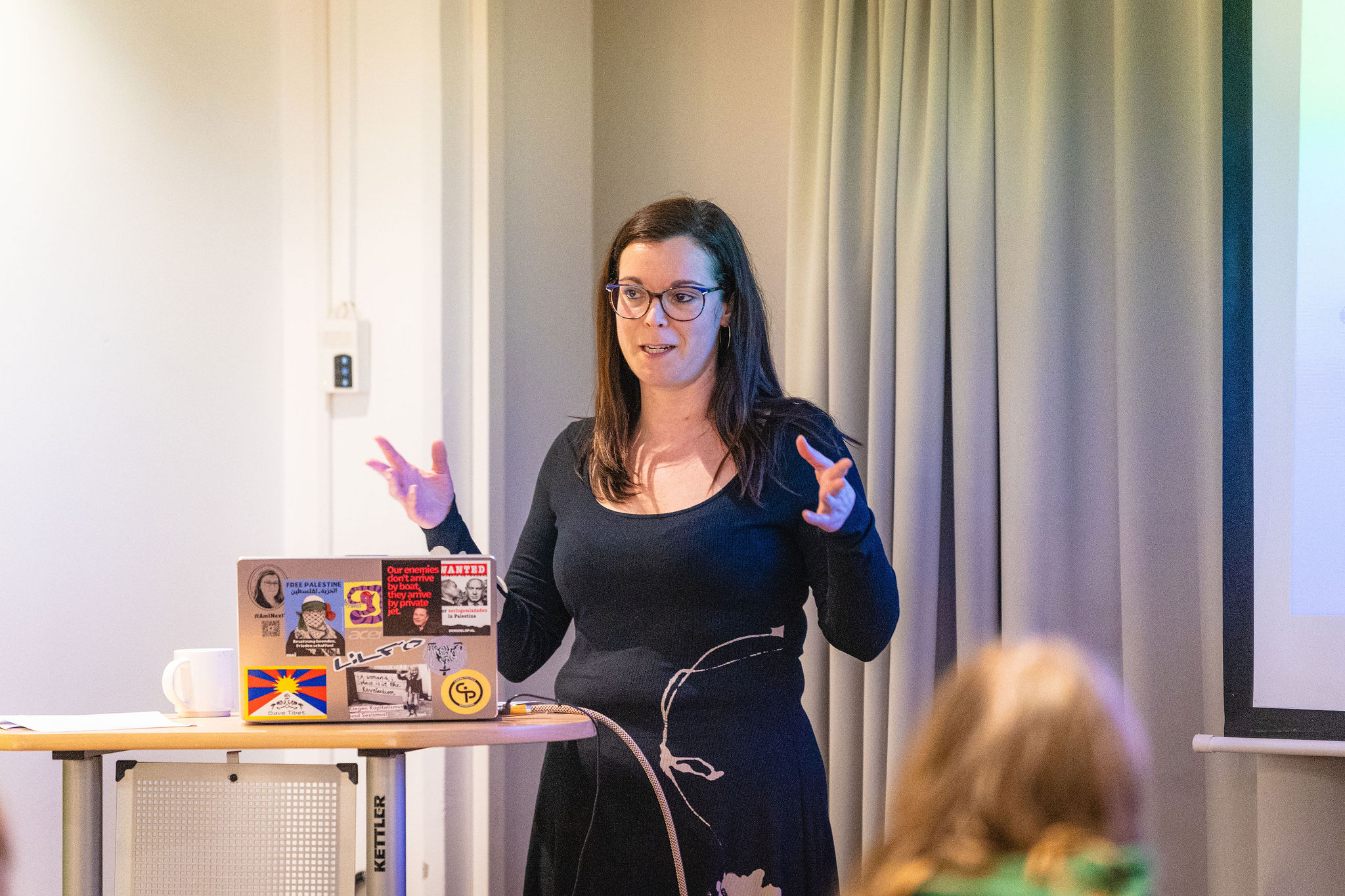
The second day started with a session led by Sophie Brandes, who provided a deeper look at how policymaking works at the local and national level, highlighting the possible entry points for Young Advocates to influence this process through their advocacy campaigns. The morning continued with a very inspiring presentation by participants themselves on successful youth campaigns in their respective countries, fostering peer learning and intercultural exchange. This session strengthened mutual inspiration and practical understanding of advocacy in different contexts.
Subsequently, participants were introduced to key roles in advocacy teams:
- Researcher
- Speaker/ Networkers,
- Writer
- Implementer.
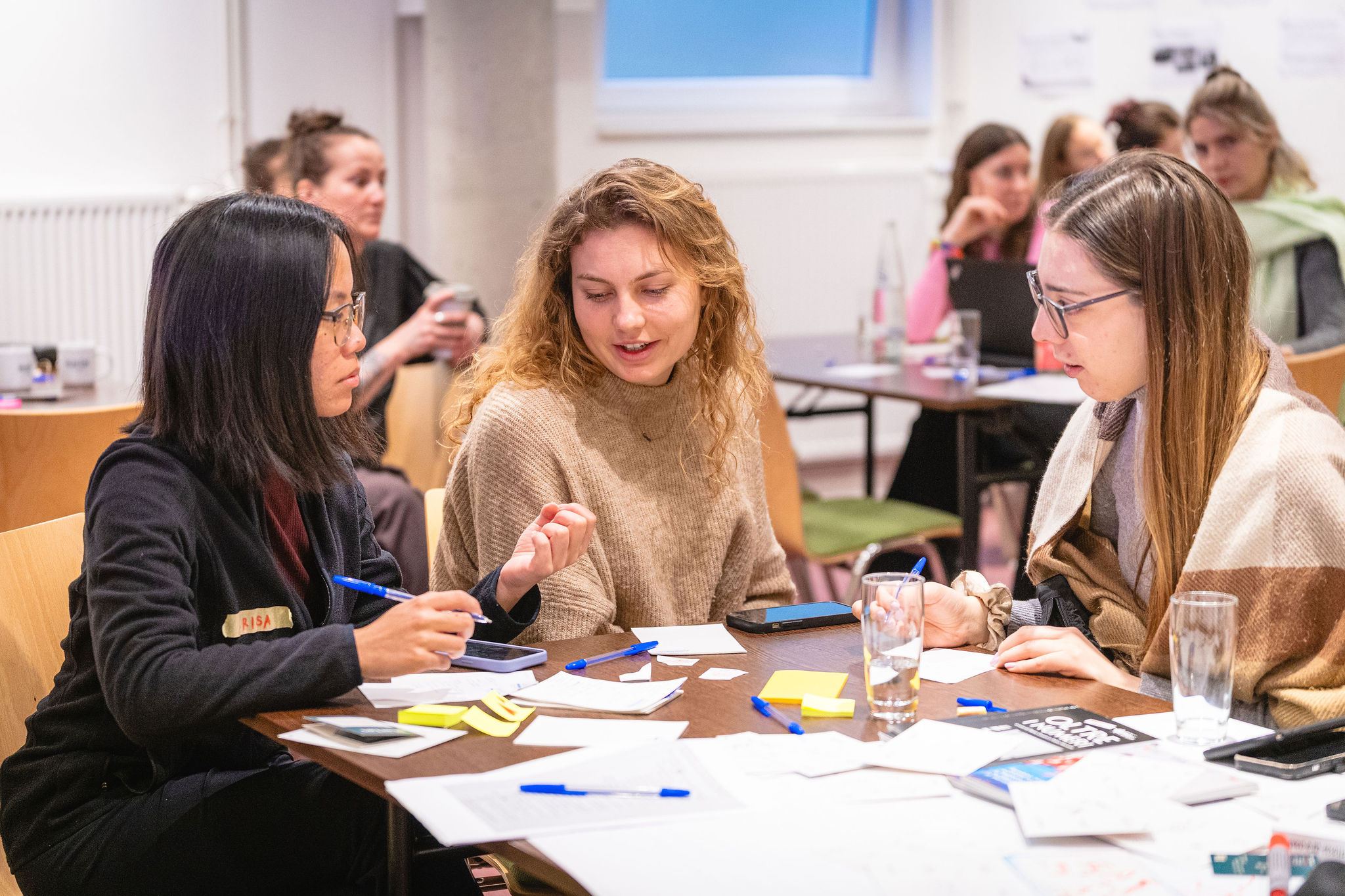
First, each participant selected a role and joined a focused workshop led by experts from the partners consortium to develop relevant skills and apply it to their campaigns. Through a World Café session, participants later exchanged their insights and knowledge across roles.
In the afternoon, advocacy groups began planning their campaigns. The day concluded with a visit to the Gedenkstätte Deutscher Widerstand, a museum and memorial on resistance to the Nazi regime during World War II - an inspiring opportunity to learn from different ways through which young people advocated for their freedom and rights under oppressive conditions.
DAY 3 - Planning the next steps on the Advocacy campaigns
On the final day, the Young Advocates refined their campaign strategies and developed concrete action plans for the coming months.
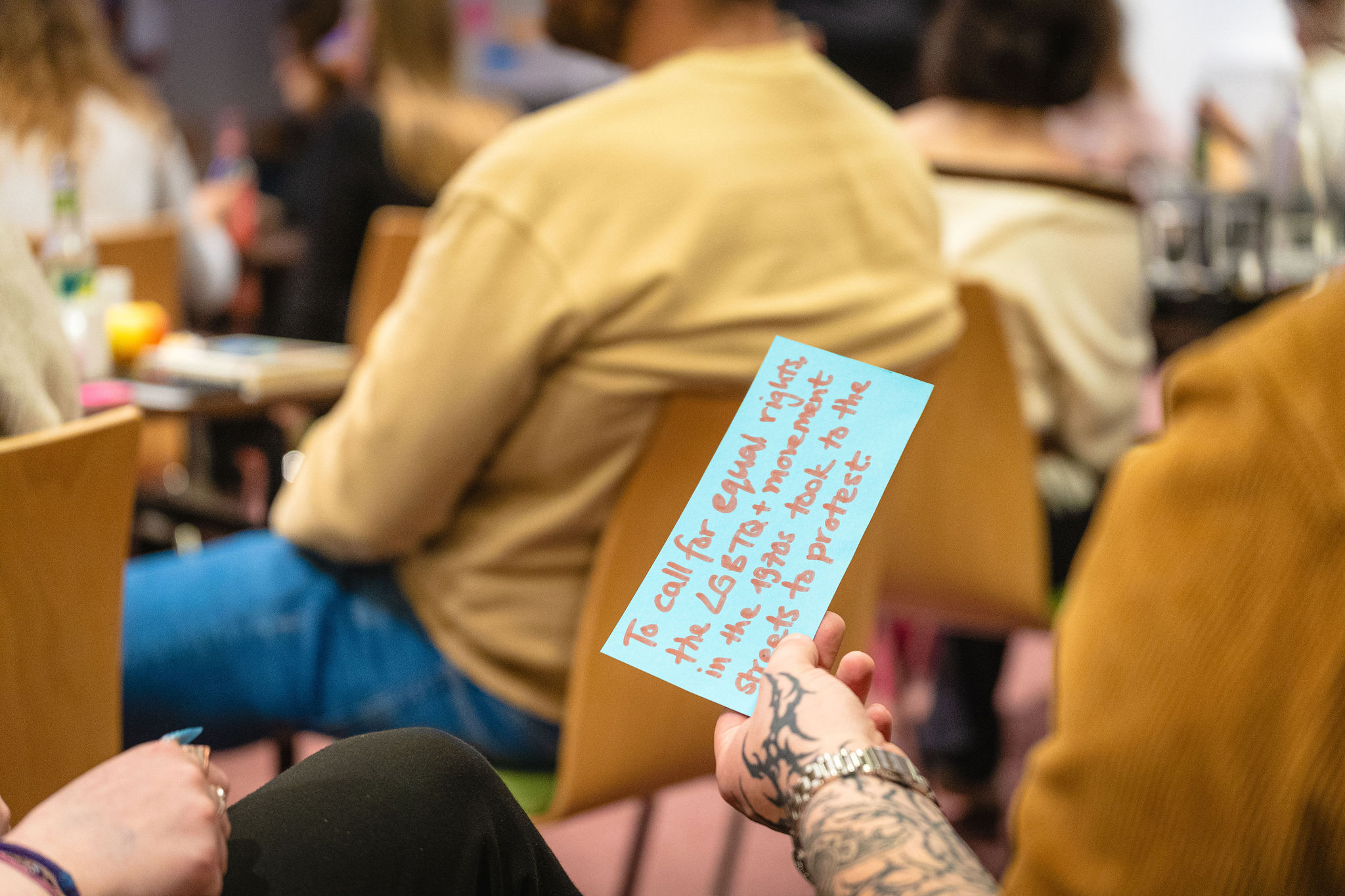
Participants were introduced to Photovoice as an additional advocacy tool to raise awareness and communicate lived experiences effectively. Through a structured debating exercise, they practised delivering their advocacy messages and reflected on potential criticism and challenges.
Learn more about the Photovoice method
Each group presented its campaign plan and received constructive peer feedback. The closing session outlined next steps for implementation and reinforced the network of Young Advocates across Europe, including continued exchange through Discord.